
Best Materials for Interior Doors: How to Choose the Right Option for Your Home

The best materials for interior doors depend on performance and design goals. Solid wood offers natural beauty, MDF delivers smooth paint finishes, molded panels balance cost and style, solid core improves sound control, and glass options enhance light flow. Interior doors are used every day, yet they are often selected late in the design process. Homeowners focus on cabinets, flooring, and paint colors first. Contractors focus on framing and scheduling. Then the doors become a final detail. But material choice matters. The best materials for interior doors influence sound control, durability, maintenance, and even how a room feels when the door closes. In 2026, buyers are paying more attention to performance and long-term value, not just appearance. If you are evaluating the best materials for interior doors, understanding how each option performs will help you choose confidently. Solid Wood Interior Doors Solid wood has long been considered a premium option. It offers natural grain variation, warmth, and architectural presence that is difficult to replicate. When discussing the best materials for interior doors, solid wood stands out for its authenticity and weight. These doors feel substantial and close with a satisfying density. Solid wood works particularly well in: However, wood is a natural material. It can expand and contract slightly with humidity changes. It also comes at a higher price point compared to engineered alternatives. For projects where visual richness is the top priority, solid wood remains one of the best materials for interior doors. MDF Interior Doors Medium-density fiberboard, commonly known as MDF, has become increasingly popular in modern construction. MDF offers a smooth surface that holds paint exceptionally well. It resists cracking and surface imperfections better than many natural wood products. When evaluating the best materials for interior doors in painted applications, MDF is often at the top of the list. It is especially effective for: MDF does not display natural grain patterns, which makes it ideal for homeowners who want a clean, uniform appearance. Molded Panel Doors Molded panel doors are commonly found in production homes and large-scale developments. They are constructed using composite skins pressed into panel designs over either hollow or solid cores. In discussions about the best materials for interior doors, molded panel doors offer a balance between affordability and style. They are widely available in classic profiles such as: Molded doors are typically paint-grade and provide a cost-effective solution for projects with multiple openings. When budget is a key consideration, molded panel doors often represent one of the most practical materials for interior applications. Solid-Core Engineered Doors Solid core engineered doors combine a dense internal core with an outer layer of MDF or veneer. They are distinct from hollow-core doors because of their internal mass. From a performance standpoint, many contractors consider solid core engineered doors among the best materials for interior doors when sound control and durability are priorities. Their advantages include: For bedrooms, home offices, and bathrooms, this material choice enhances comfort and privacy. In households where remote work and multi-generational living are common, the demand for solid core construction continues to grow. Glass Paneled Interior Doors Glass paneled doors add light and visual openness to interior spaces. They are commonly used between offices and living areas or in rooms that benefit from borrowed light. When considering the best materials for interior doors that enhance brightness, glass options deserve attention. Modern interior glass doors may feature: Glass interior doors are not typically selected for sound isolation, but they are effective for improving natural light flow in darker areas of a home. For open concept designs or modern aesthetics, they can elevate the overall feel of a space. How Should You Decide? Choosing among the best materials for interior doors depends on how each room functions. Consider the following questions: There is rarely a single material that fits every opening in a home. Many homeowners mix materials strategically. Solid-core doors may be installed in bedrooms and offices, while molded or MDF options are used in closets or secondary rooms. What Contractors Should Confirm Material selection also impacts installation. Before ordering interior doors, contractors should verify: Heavier materials, such as solid wood or solid core engineered doors, may require upgraded hinges and careful handling during installation. Planning ahead ensures smooth performance after installation. Why Material Choice Matters More in 2026 Homeowners today are more informed than ever. They research products, compare performance features, and prioritize long-term value. The best materials for interior doors are no longer chosen solely for appearance. Buyers expect: Interior doors are touched and used every day. Over time, the feel of the material becomes noticeable. Selecting the right material elevates daily living in subtle but meaningful ways. Final Considerations There is no single answer to the question of the best materials for interior doors. Each material offers distinct advantages. Solid wood delivers authenticity and character. MDF provides smooth painted finishes. Molded panels balance cost and style. Solid-core engineered doors improve sound control. Glass paneled doors increase light flow. The best choice depends on room function, budget, and design goals. By evaluating how each material performs in real-world conditions, homeowners and contractors can select interior doors that look right, feel right, and perform well for years to come. Help homeowners pick a color: 9 Classic Paint Colors For Interior Doors That Designers Can’t Get Enough Of
Hollow-Core vs Solid-Core Interior Doors: Which Is Right for Your Home?

When comparing hollow core vs solid core interior doors, hollow core offers lower cost and lighter weight, while solid core provides better sound control, durability, and a more premium feel. The best choice depends on budget, privacy needs, and room function. When planning a new build or remodel, interior doors may not feel like a major decision. However, the type of door you choose affects sound control, durability, appearance, and long-term satisfaction. The debate around hollow-core vs solid-core interior doors is one of the most common questions homeowners and contractors face. While both options look similar from the outside, their internal construction makes a significant difference. If you are deciding between hollow-core vs solid-core interior doors, understanding how each performs will help you choose confidently. What Is a Hollow-Core Interior Door? A hollow-core door is constructed with a lightweight internal structure, often a honeycomb cardboard or thin support grid, covered by a thin veneer or molded skin. These doors are popular because they are: In many production homes, hollow-core doors are standard because they reduce material cost and make installation faster. When comparing hollow core vs solid core interior doors, hollow core is typically the budget-friendly option. What Is a Solid-Core Interior Door? Solid-core doors feature a dense interior made from engineered wood, particleboard, or composite materials. The exterior may be MDF, veneer, or molded panel, but the interior mass creates a heavier and more substantial feel. Solid core doors are known for: In the hollow-core vs solid-core interior doors comparison, solid-core doors deliver enhanced performance in several key areas. Which Option Provides Better Sound Control? Sound privacy is often the biggest factor in the hollow-core vs solid-core interior doors decision. Hollow-core doors allow sound to pass through more easily. In busy households or homes with remote work setups, this can become noticeable. Solid-core doors reduce sound transmission because of their dense construction. Bedrooms, bathrooms, and home offices benefit most from this added mass. If privacy matters, hollow-core vs solid-core interior doors usually lean toward solid core for improved acoustic performance. How Do They Compare in Durability? Durability is another major difference. Hollow-core doors are lighter and more susceptible to dents or damage from impact. Over time, frequent use can show wear more quickly. Solid-core doors are heavier and more resistant to everyday bumps and scratches. For high-traffic areas or homes with children and pets, this added strength can make a difference. In the hollow core vs solid core interior doors comparison, solid core doors often hold up better in long term use. What About Cost Differences? Budget plays an important role in interior door selection. Hollow-core doors are typically more affordable than solid-core doors. For large projects with many openings, the cost difference can add up quickly. Solid-core doors require more material and manufacturing time, which increases upfront cost. When weighing hollow-core vs solid-core interior doors, homeowners should consider whether lower initial cost outweighs long term performance benefits. Do They Look Different? Visually, hollow-core vs solid-core interior doors can look almost identical. Both options are available in: The difference is felt more than seen. Solid core doors close with a heavier, quieter sound that many homeowners associate with quality. For design focused projects, appearance alone may not determine the choice in hollow core vs solid core interior doors. When Is Hollow-Core the Right Choice? Hollow core doors may be appropriate when: In rental properties or entry level homes, hollow-core remains a practical solution. When Is Solid Core the Better Investment? Solid core doors are often preferred when: In the hollow-core vs solid-core interior doors comparison, solid-core doors are typically viewed as an upgrade that enhances daily living. What Should Contractors Consider? Before finalizing a choice between hollow-core vs solid-core interior doors, contractors should confirm: Solid-core doors weigh more, which may require stronger hinges and careful installation. Planning ahead ensures smooth performance. Is There a Clear Winner? There is no universal answer in the hollow-core vs solid-core interior doors debate. Hollow-core offers affordability and lightweight installation. Solid-core offers improved sound control, durability, and perceived quality. For many homeowners, mixing both options makes sense. Solid-core doors can be installed in bedrooms and offices, while hollow-core doors may work well for closets or secondary spaces. The right decision depends on how each room is used and what level of performance you expect. Final Thoughts Interior doors are opened and closed every day. Their weight, sound, and feel become part of daily life. By carefully comparing hollow-core vs solid-core interior doors, homeowners and contractors can choose an option that aligns with budget, performance, and comfort goals. A thoughtful decision today prevents regret later.
Fire-Rated Door Selection: A Complete Guide to Codes and Compliance in 2026
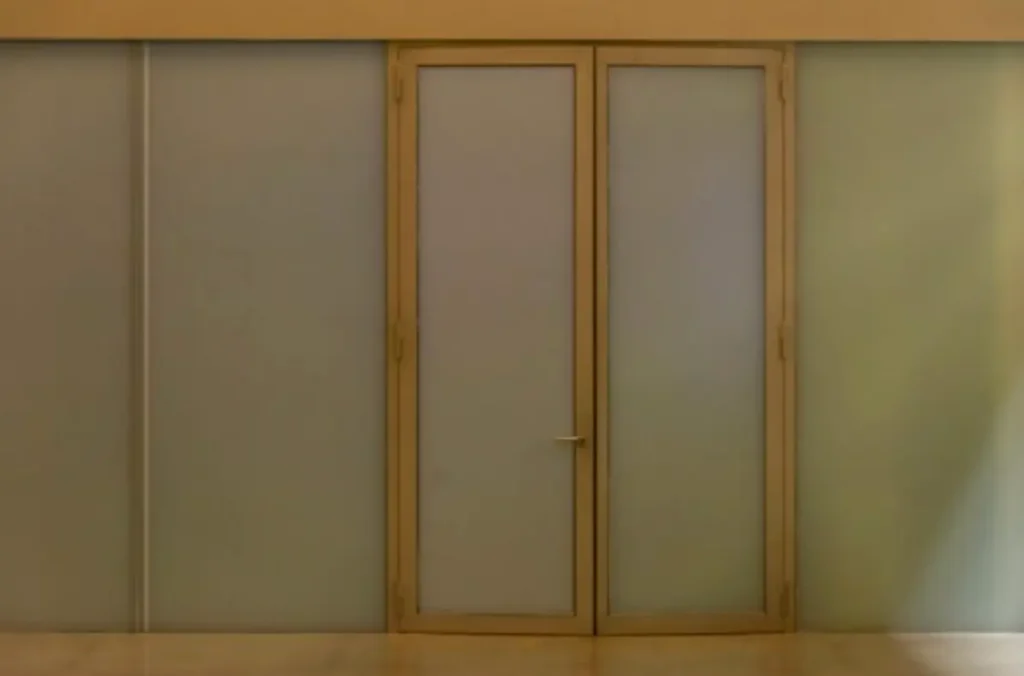
Fire-rated door selection requires choosing the correct rating based on wall classification, ensuring labeled components, using approved hardware, and following installation codes. Proper selection protects life safety, prevents inspection delays, and ensures full code compliance. Fire safety is not optional. It is a legal requirement and a life safety priority. Whether you are working on a commercial project, multifamily build, or residential application requiring protection between spaces, proper fire-rated door selection is critical. Choosing the wrong rating or misapplying code requirements can delay inspections, increase costs, and create liability concerns. If you want to approach fire-rated door selection confidently, start by understanding the most common questions contractors and dealers face. What Is a Fire Rated Door? A fire-rated door is a door assembly that has been tested and certified to resist fire for a specific period of time. Fire-rated door selection involves choosing a door that matches the required fire resistance rating for the opening. Ratings are typically expressed in minutes, such as: These ratings indicate how long the door assembly can withstand exposure to fire under controlled testing conditions. It is important to understand that fire-rated door selection applies to the entire assembly, not just the slab. Frame, hardware, glazing, and installation must all meet code. When Is a Fire-Rated Door Required? Fire-rated door selection begins with identifying where the code requires protection. Common locations include: Building codes, such as the International Building Code and local amendments, specify when fire-rated assemblies are mandatory. Before starting fire-rated door selection, confirm the occupancy type, building classification, and local jurisdiction requirements. How Do You Determine the Correct Fire Rating? Selecting the correct rating is one of the most important steps in fire-rated door selection. The required rating depends on the wall rating where the door is installed. In many cases, the door rating is tied to the fire resistance of the surrounding wall assembly. For example: However, codes vary based on application and configuration. During fire-rated door selection, always review approved construction documents and consult local code officials if there is uncertainty. What Materials Are Used for Fire-Rated Doors? Fire-rated door selection often involves choosing between materials such as: Commercial environments frequently use steel due to its durability and ease of labeling compliance. Residential fire-rated doors, such as those between a garage and living space, may use fire-rated wood doors. Material alone does not determine rating. The door must be tested and labeled for fire resistance according to approved standards. What Role Does Glazing Play? Glass inserts introduce additional complexity in fire-rated door selection. Fire-rated glazing must also be tested and certified. Not all decorative glass qualifies for fire-rated applications. During fire-rated door selection, confirm: Incorrect glass selection is a common reason for failed inspections. Does Hardware Affect Fire Rating? Yes. Hardware plays a critical role in fire-rated door selection. Fire-rated assemblies typically require: Doors must close and latch automatically in the event of a fire to prevent the spread of smoke and flames. During fire-rated door selection, confirm that all hardware components are compatible with the door’s listing and rating. Are Labels Required? Fire-rated doors must carry visible labels from recognized testing agencies. These labels verify that the door assembly meets specific standards. Common testing organizations include: Fire-rated door selection is not complete without confirming that both door and frame carry appropriate labeling. Removing or painting over labels can result in code violations. What About Installation Requirements? Even a properly rated door can fail inspection if installed incorrectly. Fire-rated door selection should always consider: Installation must follow manufacturer guidelines and code requirements. Inspectors may check clearances and hardware function during final approval. How Often Should Fire-Rated Doors Be Inspected? In many commercial settings, annual fire door inspections are required. Property owners and facility managers are responsible for maintaining compliance. Fire-rated door selection should take long-term maintenance into account. Choosing durable materials and properly rated hardware can simplify future inspections. Dealers and contractors who educate clients about inspection requirements add long-term value. Common Mistakes to Avoid During fire-rated door selection, several errors appear frequently: Avoiding these mistakes requires careful review of plans and coordination with code officials. Why Fire-Rated Door Selection Matters Fire-rated door selection is not just about passing inspection. It is about slowing fire spread and protecting occupants. Properly rated and installed doors: When contractors and dealers approach fire-rated door selection with attention to detail, they protect both property and lives. Final Guidance Approach fire-rated door selection methodically. Confirm code requirements. Verify ratings. Ensure hardware compatibility. Double-check labeling. Coordinate installation carefully. Fire safety compliance depends on the entire assembly working together. In 2026 and beyond, understanding fire-rated door selection standards will remain essential for commercial and residential construction professionals. Learn more from the National Fire Protection Association: FAQs About Fire Doors and NFPA 80
Best Door for Tight Spaces: How to Choose the Right Solution for Small Rooms
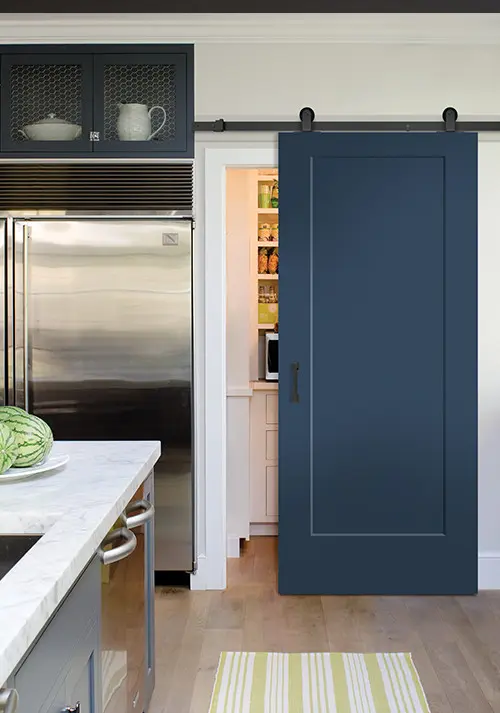
The best door for tight spaces depends on layout and privacy needs. Pocket doors maximize floor space, sliding doors save swing clearance with design flexibility, and bifold doors work well for closets and compact storage areas. Small rooms create design challenges. Bathrooms, closets, laundry rooms, hallways, and compact bedrooms often do not have the clearance needed for a traditional swinging door. When homeowners ask about the best door for tight spaces, they are usually trying to solve one problem. They need to save square footage without sacrificing function. Contractors face the same question during remodels and new builds, where layout flexibility is limited. If you are deciding on the best door for tight spaces, understanding how pocket, sliding, and bifold doors perform will help you choose the right fit. Why Are Traditional Hinged Doors a Problem in Small Rooms? A standard hinged door requires floor clearance to swing open. In a tight layout, that swing can: When space is limited, removing the swing path becomes the priority. That is why many homeowners start researching the best door for tight spaces instead of defaulting to a traditional hinged option. Are Pocket Doors the Best Doors for Tight Spaces? Pocket doors are often the first solution people consider. A pocket door slides into a cavity within the wall, completely disappearing when open. Because it does not require swing clearance, it frees up floor space. Pocket doors work especially well for: From a design standpoint, pocket doors offer a clean, minimal look. However, contractors should consider installation complexity. Pocket doors require: In new construction, pocket doors are easier to incorporate. In remodels, retrofitting can require additional framing work. For many homeowners, pocket doors remain one of the best door solutions for tight spaces when wall conditions allow. Are Sliding Barn Doors a Practical Option? Sliding barn-style doors mount on the surface of the wall and glide along an exposed or concealed track. They eliminate the swing radius of a hinged door, making them another contender for the best door for tight spaces. Sliding doors are popular in: The advantage of sliding doors is easier installation compared to pocket doors. They do not require opening the wall cavity. However, sliding doors require clear wall space adjacent to the opening. Furniture and light switches cannot interfere with the track path. Sliding doors also do not seal as tightly as traditional doors, which may affect sound privacy in certain applications. When visual impact and moderate space savings are priorities, sliding doors can be a strong choice. When Are Bifold Doors the Best Option? Bifold doors consist of two panels that fold inward on a track system. They are commonly used for closets and storage areas. In very narrow areas, bifold doors can be the best door for tight spaces because they reduce the swing footprint significantly. They are ideal for: Bifold doors are relatively simple to install and are widely available in molded panel, MDF, and other interior finishes. The tradeoff is that bifold doors do not provide the same sound isolation as solid swing doors or pocket doors. For closet applications, however, bifold doors remain one of the most practical space-saving solutions. What About Swing Direction Adjustments? Sometimes the best door for tight spaces is not a new door type but a different swing configuration. Before committing to pocket or sliding systems, contractors should evaluate: In some small bathrooms, an outswing door can solve clearance issues without introducing new framing requirements. Not every tight space requires specialty hardware. A simple reconfiguration may be sufficient. Which Option Provides the Most Privacy? Privacy often influences the best door for tight spaces decision. Pocket doors and sliding doors typically do not seal as tightly as traditional hinged doors. Sound may travel more easily around gaps. If privacy and sound control are priorities, consider: For closets or pantries, privacy is less critical, making bifold and sliding doors more practical. What Should Contractors Consider Before Installation? Choosing the best door for tight spaces requires careful planning. Contractors should confirm: Pocket doors require the most planning. Sliding and bifold doors are typically easier to retrofit. Proper installation ensures smooth operation and long-term performance. What Is the Most Versatile Option? There is no single best door for tight spaces that works in every situation. Pocket doors maximize floor space but require structural planning. Sliding doors offer design flexibility but need clear wall space. Bifold doors work well for closets, but are not ideal for primary room separation. The right choice depends on: Evaluating these factors early prevents layout frustration later. Final Thoughts Small rooms demand smarter solutions. The best door for tight spaces is the one that improves flow without compromising usability. Whether you choose pocket, sliding, bifold, or a modified swing configuration, thoughtful planning makes a measurable difference in how a space functions. Interior doors do more than separate rooms. In tight spaces, they shape how the entire layout works. Learn more about TIPS FOR DESIGNING SMALL SPACES FOR REMODELS